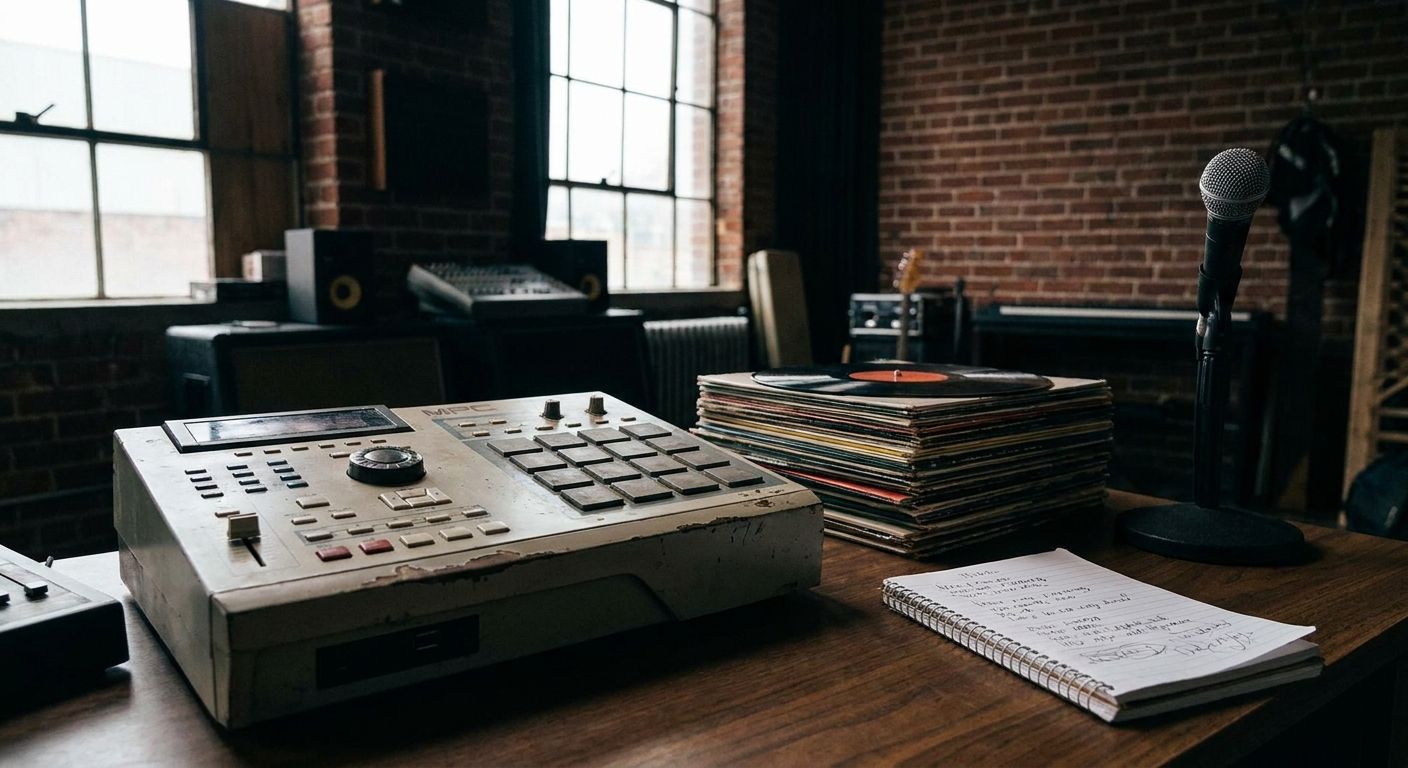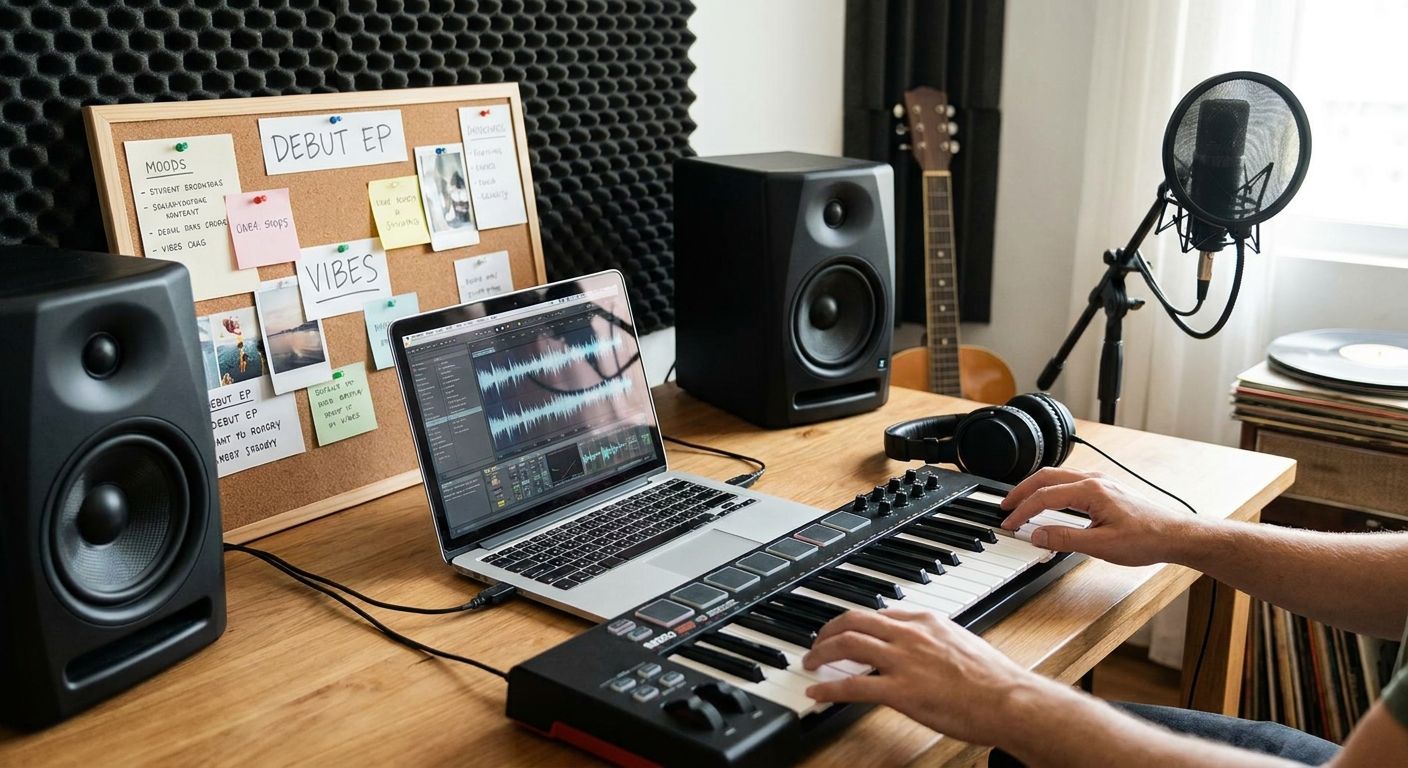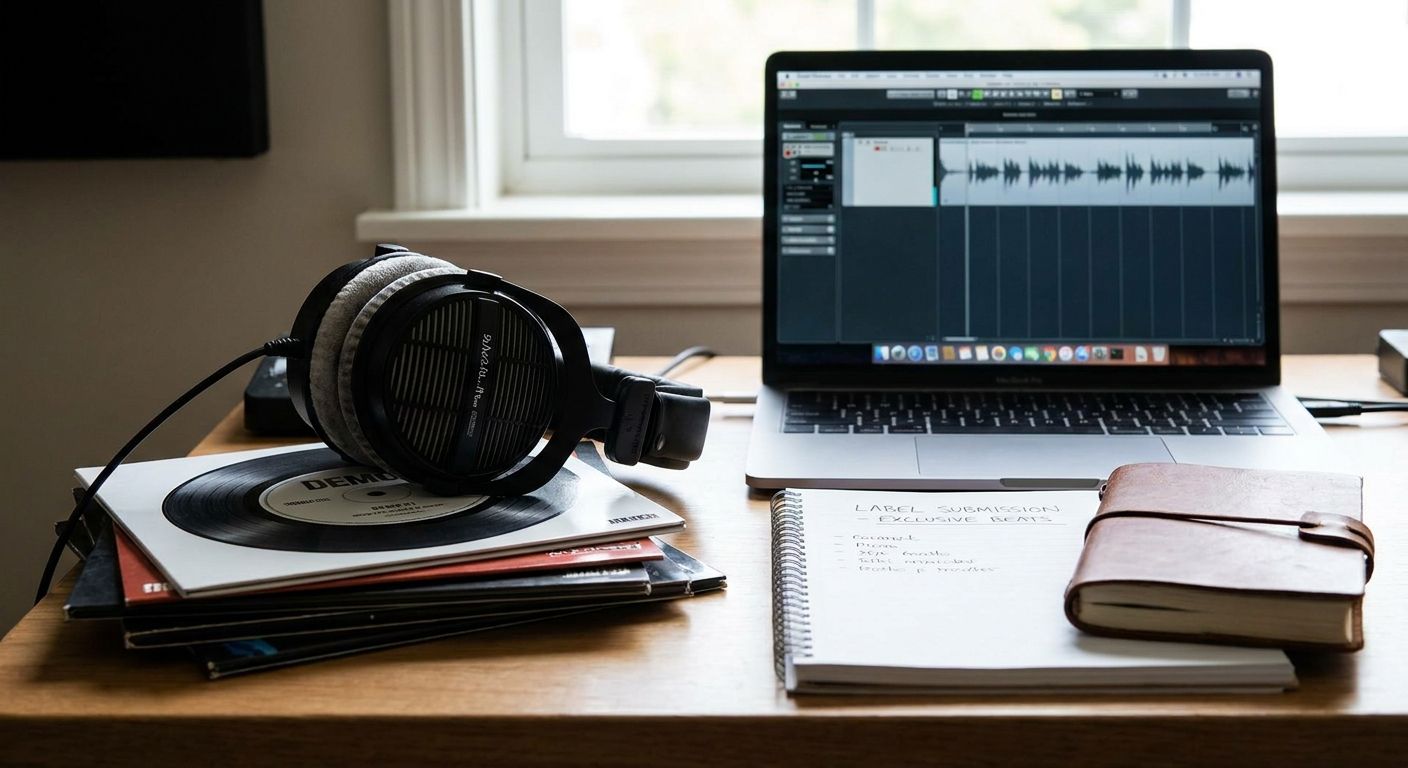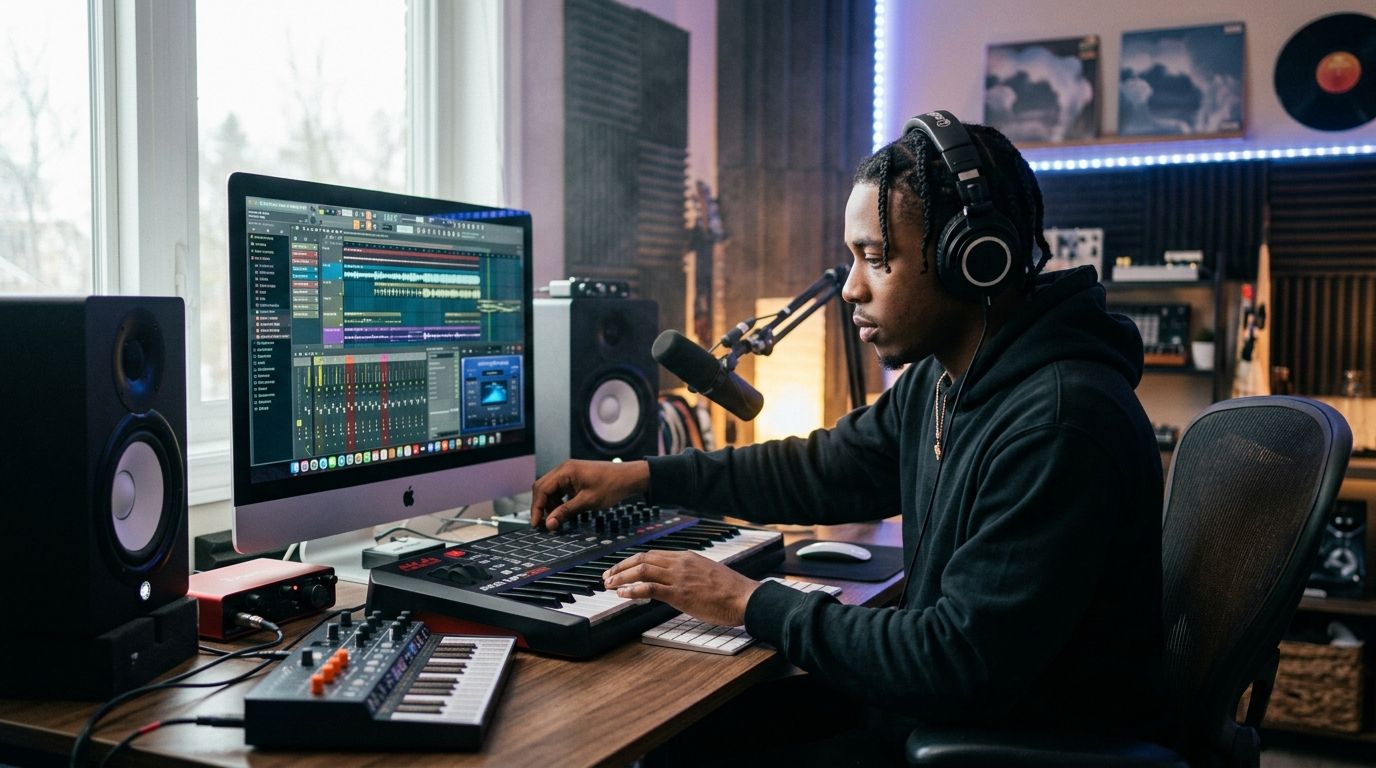
Custom beats for cloud rap artists are instrumentals built from scratch around the genre's signature drift — pitched vocal chops, reverb-soaked pads, and 808s that feel like they're floating instead of hitting. The goal is a beat that sounds unfinished in the best way, leaving room for a mumbled hook and a vocal that sits inside the mix instead of on top of it. Cloud rap artists don't need the loudest beat in the room; they need one that breathes.
- Custom beats for cloud rap artists prioritize reverb, pitched vocal samples and soft 808s over aggressive drum patterns.
- Louie The Producer builds exclusive cloud rap instrumentals with full copyright transfer so artists own their masters outright.
- Type beats work for demos in 2026, but exclusive custom production avoids the licensing ceiling that caps commercial releases.
- Booking a custom session beats searching endless YouTube type beats when your sound needs a specific atmosphere.
- Mixing and mastering matter as much as the beat itself for the genre's signature washed-out vocal texture.
Why custom beats matter for cloud rap artists
Cloud rap lives and dies on atmosphere, not on drum programming complexity. A generic trap beat with a hi-hat roll doesn't give a cloud rap vocalist anywhere to hide the pitch-shifted ad-libs or the half-sung hook that defines the style. The beat producers who work with first-time rap artists know this genre asks for restraint — fewer elements, more space, and a low end that supports the vocal instead of competing with it.
Search behavior around this niche skews toward artists hunting for something they can't find in a stock type beat pack. That's the whole reason custom production exists as a category in 2026: cloud rap's sound is too specific for a one-size-fits-all beat library. An artist chasing that Yung Lean or early Thug atmosphere needs someone who understands reverb tails and vocal chop placement, not just 808 slides.
How to get custom beats for cloud rap artists
Define your sound before you book anything
Go in with a reference, not a vibe you can't articulate. Producers move faster and hit closer to the mark when you hand them something concrete.
- Pull 3-5 reference tracks that capture the mood you want
- Note the tempo range you rap in most comfortably (cloud rap usually sits 130-160 BPM)
- Flag whether you want pitched vocal samples or purely instrumental atmosphere
- Decide if you want a hook-ready beat or a verse-only canvas
- Write down any instruments you want avoided (no orchestral stabs, no aggressive brass)
Study the genre's structure for free first
Before spending anything, spend time listening critically. This costs nothing and sharpens every conversation you have with a producer later.
- Break down how reverb decays across a hook versus a verse
- Listen for where the 808 drops out to let a vocal sample breathe
- Track how many elements play at once during the busiest section (usually fewer than you'd think)
- Note how much low end sits below 80Hz versus how much air sits above 8kHz
Decide between a type beat and a custom commission
Type beats get you a demo fast, but they cap what you can do commercially once you release. Custom production removes that ceiling entirely.
- Type beats: fast, cheap access, but shared with other artists searching the same tag
- Custom exclusive beats: built once, sold once, and yours outright
- Louie The Producer builds cloud rap instrumentals from a blank session, not a modified type beat, when you commission custom work
- Check the independent rapper's guide to buying exclusive beats online before you commit to either route
Book a custom production session
Once you know your reference points, booking moves fast. A clear brief up front cuts back-and-forth revisions later.
- Send your reference tracks and BPM range before the session starts
- Ask what turnaround looks like for a fully custom exclusive beat versus a modified stem
- Confirm whether the session includes stems or a bounced master file only
- Ask if a revision round is included before final delivery
Lock down ownership and licensing terms
This is where a lot of cloud rap artists get burned — releasing on a lease that limits streams or monetization without realizing it until a song takes off.
- Read the license tier carefully: lease, exclusive, or full buyout all mean different things
- Confirm full copyright transfer if you plan to distribute widely or pitch to labels
- Check the guide on leasing hip-hop beats without losing your rights before signing anything
- Ask directly whether the agreement is work-for-hire — that phrase matters more than the price tag
Prep vocals for a wash-heavy mix
Cloud rap vocals need specific mixing treatment — too much compression kills the floaty quality that makes the genre work.
- Record dry, without reverb baked into the take, so the mix engineer controls the wash
- Double or triple key ad-libs for that layered, pitched texture
- Keep breath noise and room tone minimal on the main vocal take
- Send stems, not a bounced rough mix, when you hand off to mixing and mastering
Build a visual identity that matches the sound
The music carries the mood, but the artist's whole presentation reinforces it — merch, cover art, the aesthetic fans associate with the sound. Artists chasing that washed-out, dreamy cloud rap look often lean into oversized, muted streetwear on stage and in cover shoots, and oversized hoodies that define the aesthetic show up constantly in that visual language for a reason — the silhouette matches the genre's hazy, low-effort-on-purpose energy. Treat your visual brand as seriously as the beat selection; fans buy into a whole atmosphere, not just a song.
Comparison: options for cloud rap beat production
| Option | Best for | Key limitation |
|---|---|---|
| Free type beats (YouTube/SoundCloud) | Demos, testing a sound before committing | Shared with other artists, capped licensing |
| Leased beats | Budget releases, building a catalog fast | Usage caps on streams/monetization depending on tier |
| Custom exclusive beat (Louie The Producer) | Artists who need a specific, unshared cloud rap atmosphere | Requires clear reference tracks to hit the mark fast |
| Full custom production package | Full EPs or mixtapes needing a cohesive sound | Longer turnaround than a single beat purchase |
Verdict: for a cloud rap artist releasing commercially in 2026, an exclusive custom beat from Louie The Producer beats a leased type beat because you own the master outright and nobody else is rapping over the same instrumental.
Book a custom cloud rap session
Bring your reference tracks and get an exclusive beat built around your sound.
Common mistakes cloud rap artists make
- Picking beats that are too busy. Cloud rap needs space; a beat packed with layered melodies leaves no room for the vocal's texture to land.
- Skipping stems when sending vocals to mix. A bounced rough mix locks the engineer out of shaping the reverb and pitch treatment properly.
- Leasing a beat meant for a breakout single. If a track is your lead release, an exclusive beat protects you from someone else dropping over the same instrumental mid-rollout.
- Ignoring visual branding. The sound sets a mood; the merch, cover art, and on-stage look should match it or the whole project feels disconnected.
- Over-compressing the master. Cloud rap's appeal is its looseness — squashing the dynamics in mastering kills the floaty quality that made the reference tracks work in the first place.
FAQ
What makes a beat count as cloud rap versus regular trap?
Cloud rap beats lean on reverb-heavy pads, pitched vocal chops, and softer 808 patterns instead of aggressive drum programming. The genre prioritizes atmosphere over drum complexity, which is why generic trap type beats often don't fit.
Is a custom beat better than a type beat for cloud rap?
A custom exclusive beat is better for any commercial release because it removes shared-licensing limits and gives you full ownership. Type beats work fine for demos but cap what you can do once a song takes off.
How much does a custom cloud rap beat cost in 2026?
Pricing varies by producer and license tier, so check current rates directly with the producer you're booking. Exclusive buyouts typically cost more upfront than a lease but remove usage restrictions.
Do I need stems for cloud rap mixing?
Yes, stems give the mix engineer control over the reverb and pitch treatment that defines the genre. A bounced rough vocal mix locks that flexibility out before mixing even starts.
Can I convert a leased cloud rap beat to exclusive later?
Some producers allow upgrading a lease to an exclusive buyout later, but terms depend entirely on the original agreement. Confirm this in writing before you release on a leased beat.
What BPM range works for cloud rap vocals?
Cloud rap typically sits between 130 and 160 BPM, though the floaty feel often makes it read slower than the actual tempo. Match your flow's natural pocket rather than forcing a faster beat.
Does cloud rap need a specific mastering approach?
Yes, over-compression kills the genre's loose, washed-out quality. Mastering for cloud rap should preserve dynamic space rather than squashing everything to peak loudness.
One last thing
The detail most cloud rap artists skip is dry vocal tracking — recording without reverb baked into the take. Every reference track that defines the genre was mixed with reverb added after the fact, not printed during recording, and skipping that step is the fastest way to end up with a muddy vocal that fights the beat instead of floating over it.