Negotiating exclusive beat pricing means controlling the rights conversation before the dollar conversation — ask about copyright transfer, usage terms, and what happens to the beat once you buy it, and the number moves in your favor.
- How to negotiate exclusive beat pricing starts with confirming full copyright transfer, not just chasing a lower number.
- A real exclusive deal pulls the beat from every lease store and hands you 100% ownership.
- Bundle mixing, mastering, or custom production into the same conversation — producers price packages differently than solo beats.
- Never send money on a verbal 'exclusive' promise; get a work-for-hire agreement in writing first.
- Louie The Producer structures exclusive buyouts as full copyright transfer, so the negotiation is about rights, not just price.
Why this matters
Independent rappers get burned in 2026 the same way they did in 2016: they negotiate the price and skip the paperwork. An exclusive beat with no copyright transfer language is a lease with a bigger invoice — the producer still owns it, still controls it, and can still sell pieces of the rights later.
Before you talk numbers, read how to buy exclusive beats online as an independent rapper so you know what a legitimate buyout actually includes. Producers respect artists who negotiate rights first, price second — it signals you've done a deal before, or at least know what one looks like.
How to negotiate exclusive beat pricing
The negotiation happens in five moves, in this order. Skip a step and you're negotiating blind.
- Confirm what "exclusive" means with this specific producer. Some producers pull the beat from lease sites entirely; others keep leasing it to others until the buyout closes. Ask directly: "Once I pay, does this beat come down everywhere?"
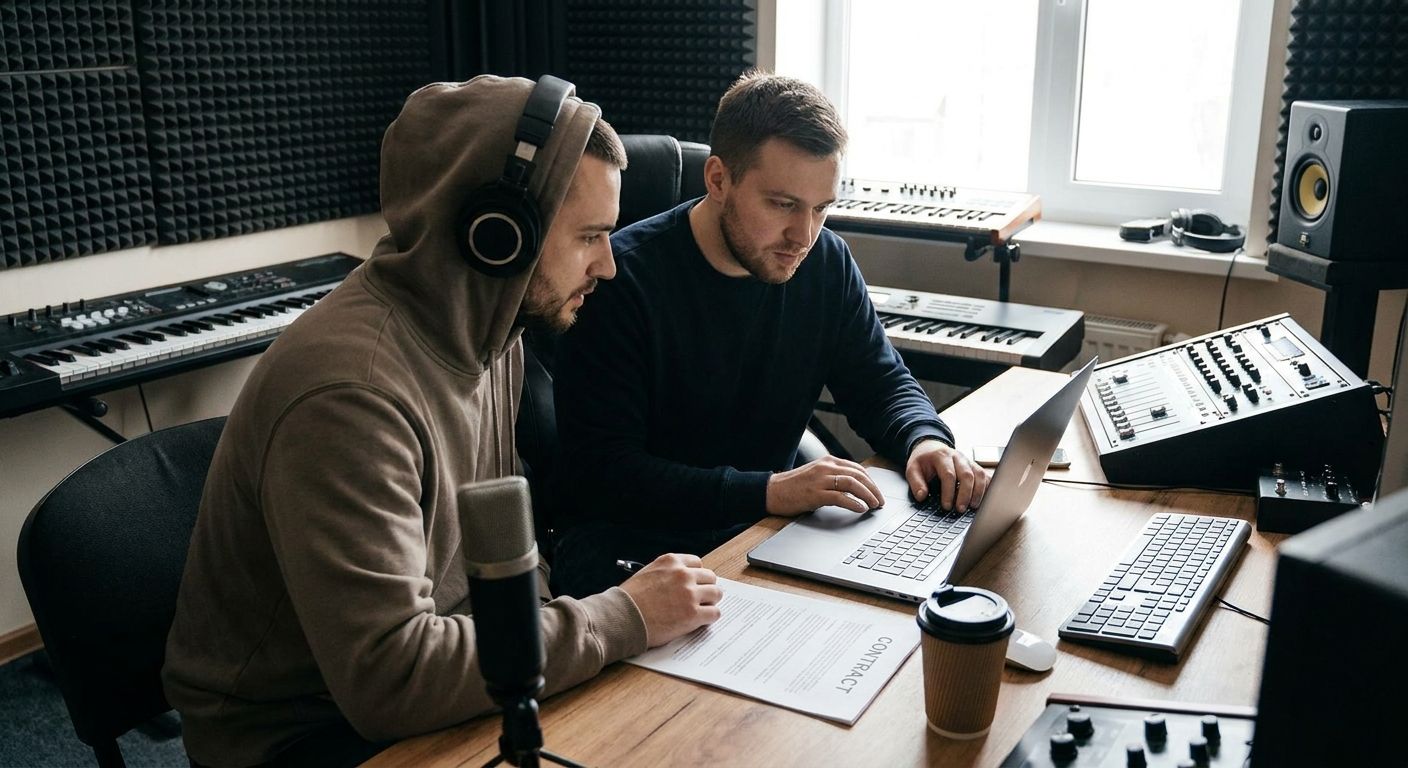
- Ask for the agreement before you discuss the number. A work-for-hire agreement or full copyright transfer document should exist before price gets locked. If a producer won't show you the paperwork until after payment, that's your answer.
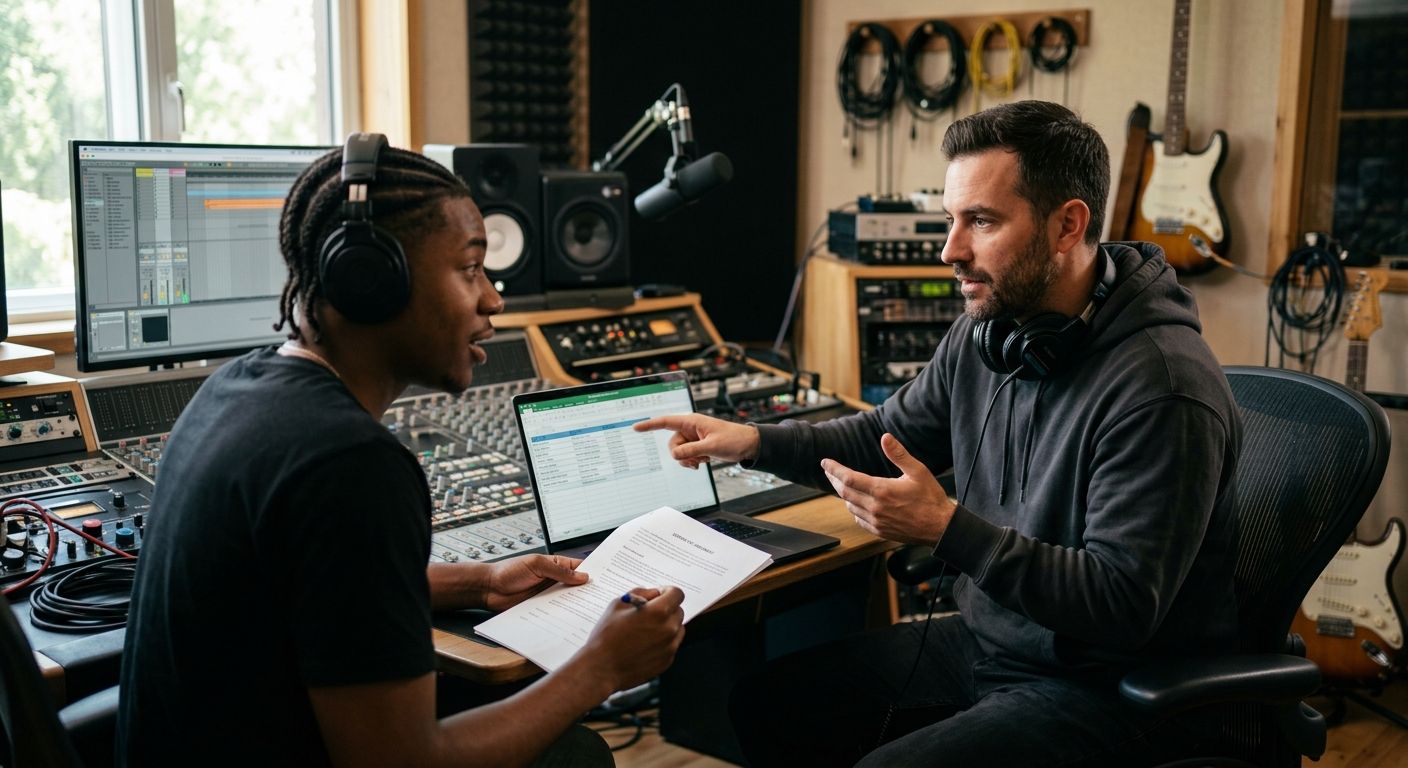
- Negotiate rights, not just the price. Exclusivity length, stem delivery, and whether the producer keeps any publishing split matter more than shaving a percentage off the total. A cheaper price with a retained publishing split costs you more over the life of the record.
- Bundle services to change the math. Producers who also handle mixing, mastering, or custom production often price a full package differently than a beat sold alone — ask what changes if you book more than one service in the same conversation.
- Get everything in writing before you send money. Names, the beat title, the rights transferred, and the delivery format all belong in the agreement. A screenshot of a text isn't a contract.
“If a producer won't put revision limits and copyright transfer in writing, walk away — the negotiation isn't about price anymore.”
Exclusive vs. lease pricing: what actually changes
Artists confuse these two constantly, and it costs them leverage in the negotiation. Here's what actually shifts between the two structures:
| Exclusive buyout | Lease | |
|---|---|---|
| Ownership | Full copyright transfer to you | Producer retains ownership |
| Other buyers | Beat comes down for everyone else | Beat stays available to other artists |
| Royalty splits | Zero ongoing splits owed to the producer under a true buyout | Often none, but usage caps apply |
| Negotiation lever | Rights, exclusivity length, bundled services | Usage limits, streaming caps, term length |
| Best for | Debut singles, album tracks, anything you plan to push hard | Mixtapes, freestyles, low-stakes content |
If you're still deciding which structure fits your project, how to lease hip-hop beats without losing your rights breaks down where leases quietly limit you.
Why exclusive beat pricing varies
Producers don't pull a number out of the air — a handful of factors move it, and knowing them gives you actual negotiation ammunition instead of just asking for a discount:
- Producer catalog size and reputation — a producer with placements and a deep catalog prices differently than someone building one.
- What you plan to do with it — an album cut or a single you're pushing to radio changes the conversation compared to a one-off freestyle.
- Bundled services — mixing, mastering, or full custom production packaged with the beat changes the total negotiation, not just the beat line item.
- Revision rounds requested — asking for multiple rearrangements or stem swaps after delivery is a real cost driver, not a free add-on.
- Timeline — rush delivery on a custom instrumental changes what's reasonable to ask for.
- Exclusivity length and genre demand — trap and drill instrumentals in heavy rotation move differently than a niche boom bap loop.
Should you always ask for full copyright transfer on an exclusive beat?
Yes — full copyright transfer is the entire point of paying exclusive pricing instead of leasing. Without it, you're paying a premium for a beat the producer can still license pieces of later, which defeats the reason you negotiated exclusivity in the first place.
Is it normal to negotiate mixing and mastering into an exclusive beat deal?
Yes, bundling mixing and mastering into the same negotiation is common and often changes how a producer structures the total price. If mixing and mastering matters to your release, raise it in the same conversation as the beat instead of negotiating it separately afterward — see best mixing and mastering for a rap mixtape release for what that bundle typically covers.
Can you renegotiate beat pricing after you've already released a track with it?
No, not meaningfully — once a track built on a leased beat is released, you've lost most of your leverage, because the producer knows you already have a finished product riding on it. Negotiate the rights and pricing before release, not after.
Lock in your exclusive beat deal
Book a session and negotiate rights and pricing before you release anything.
Louie The Producer treats every exclusive beat deal the same way: full copyright transfer, agreement in writing, no ambiguity about who owns what once the deal closes. That's the standard to hold any producer to in 2026, not just the one you're negotiating with this week.
FAQ
How do I negotiate exclusive beat pricing with a producer?
Confirm full copyright transfer and get a work-for-hire agreement in writing before discussing the number — negotiate rights, exclusivity length, and bundled services first, then the price. Producers respect artists who lead with rights questions over price haggling.
What's the difference between exclusive and lease beat pricing?
Exclusive pricing buys full copyright transfer and pulls the beat from every other buyer; lease pricing keeps the producer as owner and the beat available to others. The rights transferred are the real difference, not just the price tag.
Should I get a contract for an exclusive beat purchase?
Yes, always get a written work-for-hire agreement naming the beat, the rights transferred, and delivery format. A verbal agreement or a text message protects neither party if a dispute comes up later.
Can I negotiate mixing and mastering into an exclusive beat deal?
Yes, bundling mixing and mastering into the same conversation as the beat purchase is common and often changes how the total package is priced. Raise it before the deal is finalized, not as an afterthought.
Do I own 100% of the rights after an exclusive beat purchase?
You should, if the agreement specifies full copyright transfer — that's the entire point of paying exclusive pricing instead of a lease. If the paperwork doesn't say full transfer, you don't actually own it.
Is it normal for a producer to keep publishing rights after an exclusive sale?
No, a true exclusive buyout transfers full ownership with zero ongoing splits owed to the producer. If a producer wants to retain publishing after calling it exclusive, that's a lease with exclusive-level pricing.
How long does copyright protection last on a purchased beat?
Under U.S. copyright law, protection runs for the life of the author plus 70 years, which is why the rights transfer document matters more than the price you negotiate. Ownership on paper outlasts any verbal agreement by decades.
Can I ask for revisions before finalizing an exclusive beat deal?
Yes, revision rounds are a normal negotiation point and should be specified in the agreement before you pay. Asking for unlimited revisions after the deal closes is where most disputes start.
One last thing
The biggest lever in any exclusive beat negotiation isn't the price — it's exclusivity length and catalog removal. A producer who agrees to pull the beat from every lease platform the moment you pay has given you more real value than a producer who shaves a chunk off the number but leaves the beat listed elsewhere for another six months in 2026.