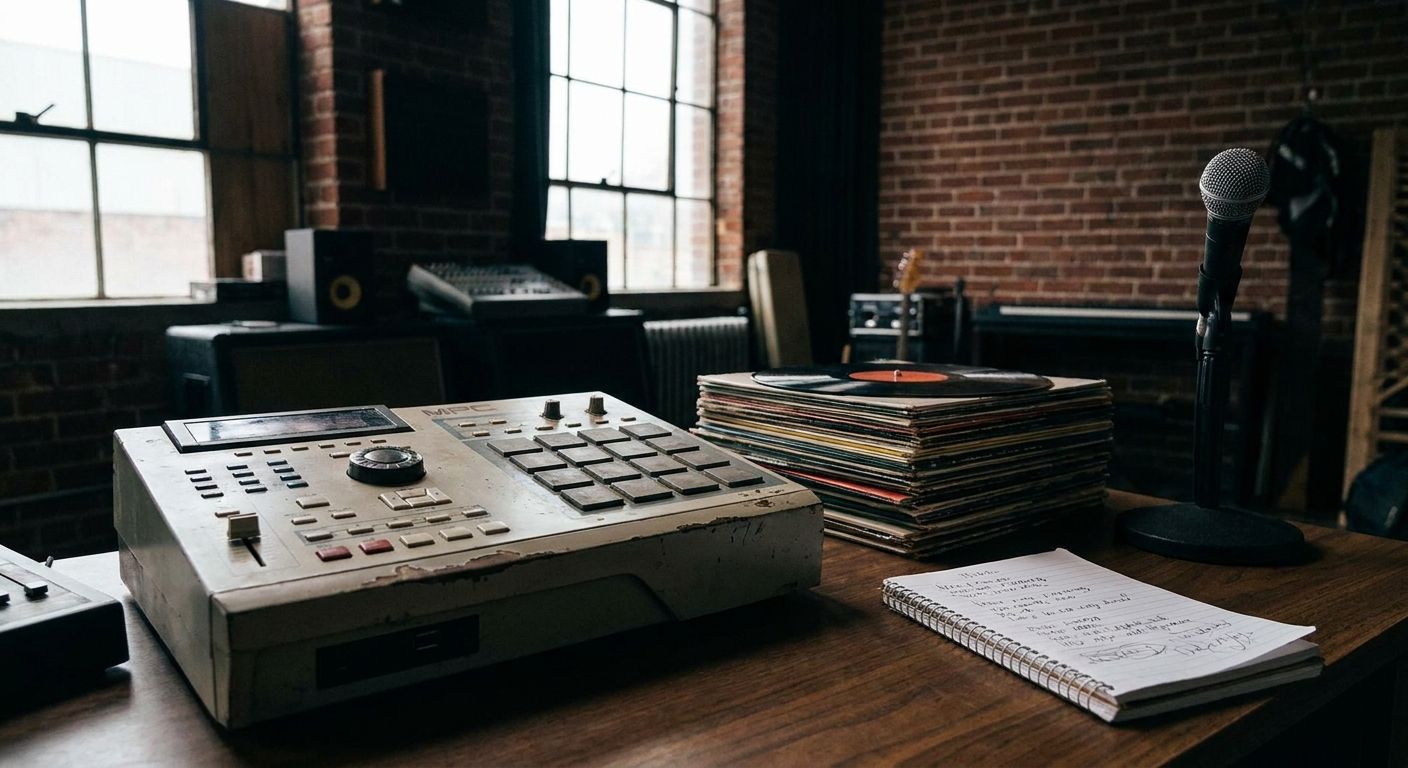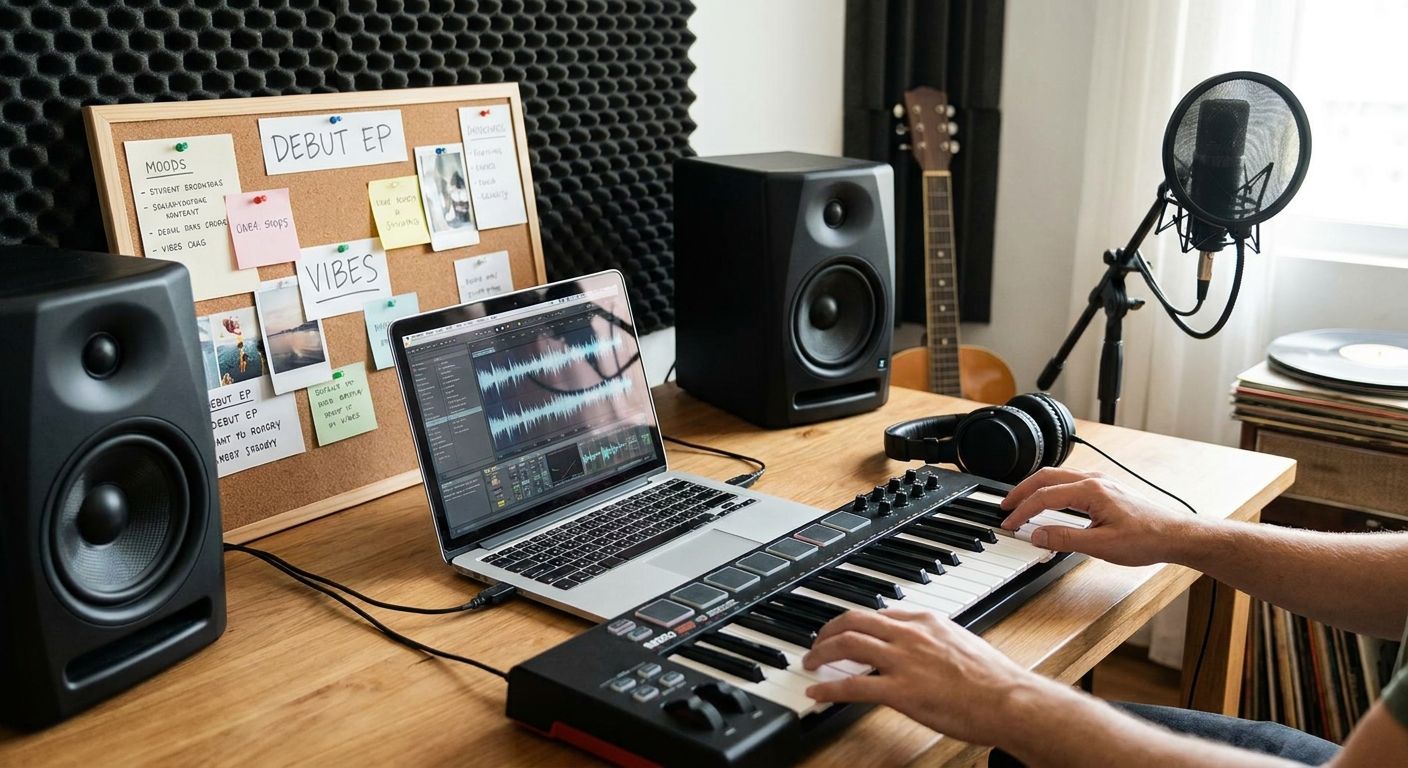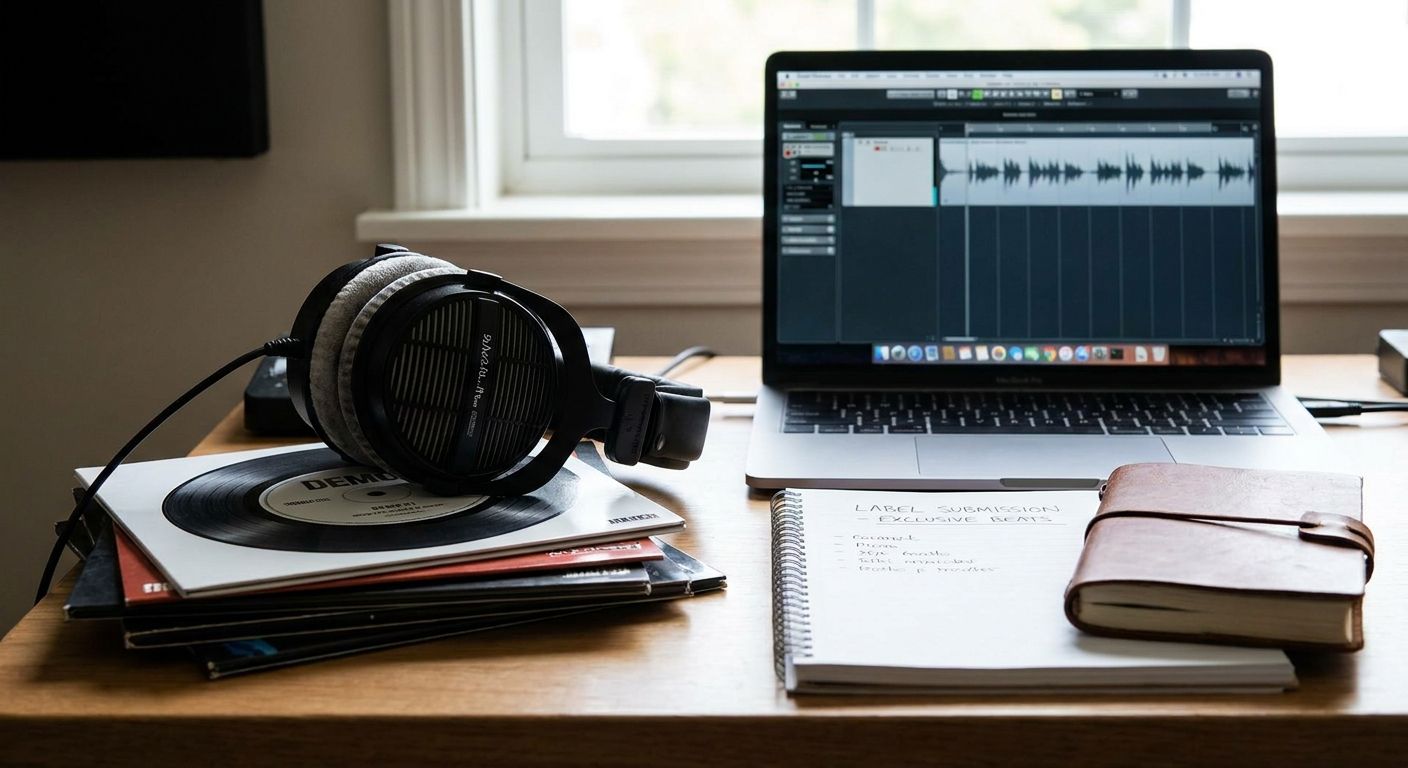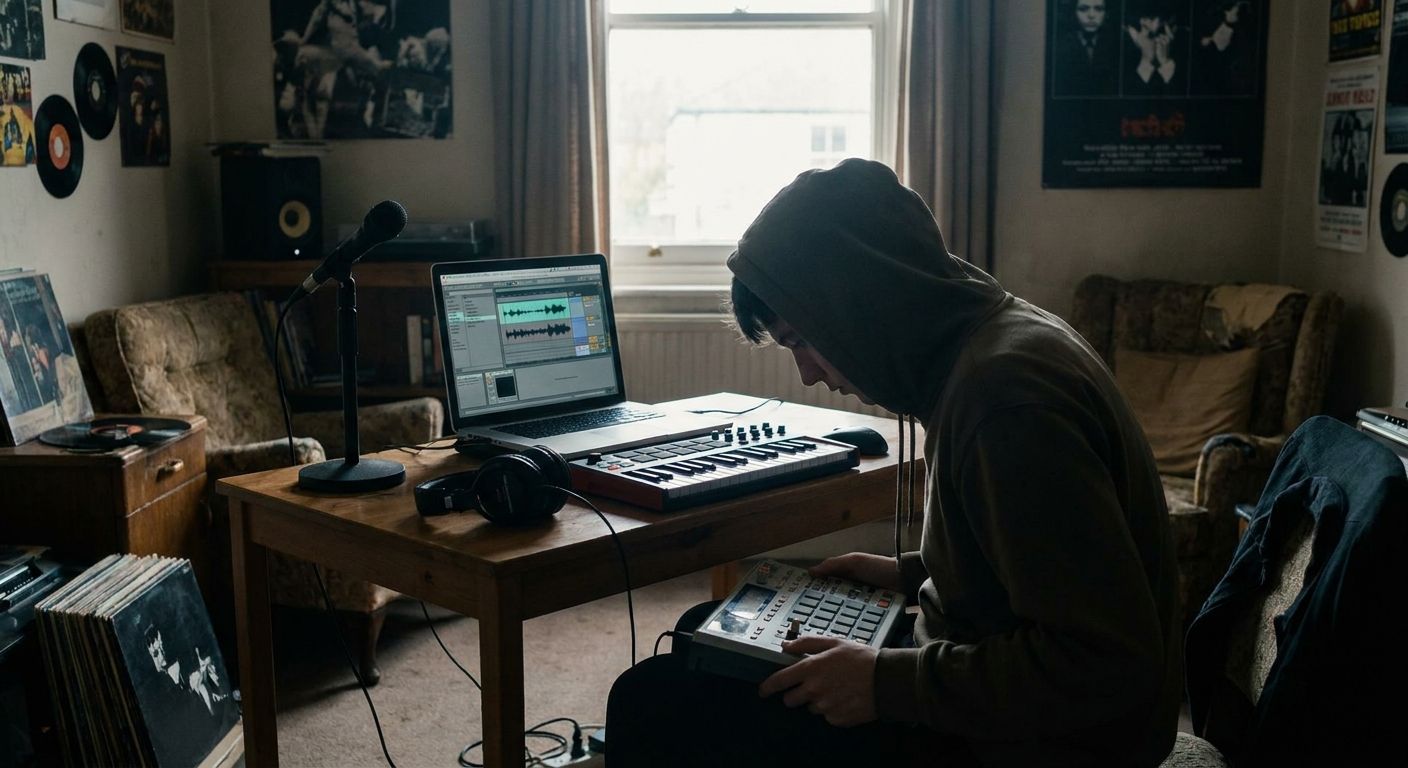
Underground rap type beats are instrumentals built for artists who value raw delivery, regional sound codes and lyrical density over radio-ready gloss, with the aim of giving unsigned and independent rappers a beat that stands out on SoundCloud, Bandcamp and streaming DSPs in 2026 instead of blending into another trap loop pack. Underground buyers move different than mainstream artists on a label budget — they need exclusivity fast, they're releasing on tighter timelines, and a beat that sounds like the last 40 tracks in a type-beat search does nothing for a discography built on standing apart.
- Type beats for underground rappers need exclusivity and raw mixing, not radio polish - lease-only catalogs undercut both.
- Boom bap, drill and lo-fi remain the core underground lanes searched on YouTube and SoundCloud in 2026.
- Work-for-hire and exclusive licenses matter more than beat quality once a track becomes your single.
- Louie The Producer's exclusive trap and hip-hop beats give underground artists full copyright transfer, not a shared lease.
- Budget for a beat rotation across a mixtape, not one purchase - underground release cadence runs faster than a single drop.
Why type beats matter for underground rappers
Underground rap runs on volume and identity — an artist dropping four to six tracks a year on Bandcamp or SoundCloud needs a sound signature, not a one-off hit. A beat that's been leased to a dozen other channels kills that signature before the first verse drops.
Type beat searches on YouTube and beat marketplaces cluster around specific artist references and subgenres — boom bap, drill, lo-fi, horrorcore, cloud rap — because underground listeners search by sound code, not by producer name. Getting found means matching that search behavior, not guessing at a generic "trap beat" tag.
Exclusivity is the other half of it. An underground rapper who breaks out off one track needs to own the masters on that track, and a leased beat with a work-for-hire agreement attached solves that in a way a $30 lease license never will.
Build your underground type beat strategy
Define your lane before you search
Most underground rappers waste hours scrolling generic "trap type beat" results because they never named their own lane first. Underground isn't one sound — it's a cluster of them, and each has its own search terms and its own audience.
- Boom bap for lyrical, bar-heavy delivery
- Drill for aggressive, dark-mood 808 patterns
- Lo-fi for chill, tape-saturated mixtape backdrops
- Horrorcore or dark trap for atmosphere-first tracks
- Cloud rap or ambient trap for melodic, spaced-out hooks
- Gospel rap or R&B-leaning trap for crossover verses
Search type beat tags the free way first
Before paying anyone, run the free route: YouTube type-beat search, SoundCloud tag browsing, free-download beat channels. This costs nothing and tells you what's already saturated in your lane.
- Search "[artist name] type beat 2026" directly on YouTube
- Filter SoundCloud by upload date to avoid beats already leased out repeatedly
- Download 5-10 free-tagged beats to test tempo and key against your bars
- Note which beats already have 50+ comments — those are overused
- Track BPM and key so you can match future purchases to your flow
Check the license before you download anything
A free-tagged beat almost always requires a tag in the final mix and comes with zero ownership. Before you build a track around any instrumental, read what the license actually grants — most underground artists skip this and get hit with a takedown later.
- Confirm whether the license is lease, exclusive, or work-for-hire
- Check the distribution cap (some leases limit streams or sales)
- Confirm whether you can remove the producer tag
- Look for a stated buyout or full copyright transfer clause
- Verify the beat hasn't already been sold exclusively to someone else
A catalog built specifically for this — trap beats for sale for independent rappers — spells out lease terms upfront instead of burying them in fine print, which matters more for underground artists than for anyone signed.
Lock exclusivity once a beat becomes your single
The moment a track starts pulling real plays, the leased-beat model stops working. Underground artists who blow up off one song and don't own the masters end up renegotiating from a weak position.
- Move to an exclusive license before you release the single, not after
- Confirm the agreement includes full copyright transfer, not just extended use rights
- Get the buyout in writing with a signed work-for-hire agreement
- Ask whether the stems are included for future remix or remaster work
- Budget exclusivity into your release plan, not as an afterthought
Underground rappers leaning on lyrical, sample-driven production specifically should look at boom bap beats for lyrical rappers — that lane rewards ownership more than most because the beat itself becomes part of the artist's identity.
Mix it so it doesn't get lost on streaming platforms
A great type beat with a bad mix disappears on Spotify and SoundCloud the same way a leased beat disappears in a saturated search. Loudness, low-end clarity and vocal presence separate a track that gets replayed from one that gets skipped at the 15-second mark.
- Reference-check your loudness against tracks already charting in your lane
- Clean up low-end mud before adding vocals, not after
- Leave headroom for mastering instead of clipping the mix bus
- Get a second set of ears on the final bounce before release
Artists releasing primarily through SoundCloud should route their final mix through mixing and mastering for SoundCloud rappers rather than mastering blind off a home setup — platform-specific mastering is one of the most skipped steps in underground releases.
Budget for a beat rotation, not one purchase
Underground release cadence runs faster than mainstream — mixtapes, loosies, and freestyles all need instrumentals on a rolling basis. Buying one beat at a time burns more money over a year than budgeting a rotation upfront.
- Set a monthly or quarterly beat budget instead of buying reactively
- Diversify across two or three sub-lanes to avoid sounding one-note
- Negotiate bundle pricing when buying multiple beats from one producer
- Keep a backlog of 3-5 unreleased beats so release timing never depends on a last-minute purchase
Comparing your type beat options
| Option | Best For | Ownership | Key Limitation |
|---|---|---|---|
| Free-tagged YouTube beats | Testing flow before spending anything | None — producer tag stays | Overused, no exclusivity, tag can't be removed on lease terms |
| Standard lease | Loosies and freestyles with low stakes | Limited use rights only | Beat can be resold to other artists |
| Exclusive license | A planned single or lead mixtape track | Full rights transfer | Costs more upfront than a lease |
| Custom production | Artists needing a fully original sound signature | Full ownership from creation | Longer turnaround than buying an existing beat |
The verdict for most underground rappers in 2026: start with a lease to test a lane, then move to exclusive or custom production the moment a track is meant to carry your name past a mixtape cut.
Common mistakes underground rappers make
- Buying beats without reading the license — then finding out mid-release the beat was already sold as an exclusive to someone else.
- Chasing whatever's trending instead of their own lane — a drill artist buying lo-fi beats because a channel is popular dilutes their sound identity.
- Skipping mastering for streaming platforms — a mix that sounds fine on studio monitors falls apart on phone speakers, which is where most underground listeners hear it first.
- Treating exclusivity as optional until a track blows up — by then the leased beat may already be in someone else's catalog too.
- Ignoring stems and buyout terms — no stems means no remix, no remaster, and no leverage if a label comes calling later.
Browse exclusive beats now
Full catalog of trap, boom bap and lo-fi beats with clear license terms.
FAQ
What's the best type beat style for underground rappers in 2026?
There's no single best style - boom bap fits lyrical, bar-heavy delivery while drill and dark trap fit aggressive, atmosphere-first tracks. Match the sub-lane to your flow and existing audience instead of chasing whatever's trending.
Is an exclusive beat better than a leased beat for underground artists?
An exclusive beat is better once a track is meant to be a single or lead mixtape cut, because it comes with full copyright transfer instead of shared use rights. A lease works fine for loosies and low-stakes freestyles where resale to other artists doesn't matter.
How much does an exclusive type beat cost in 2026?
Pricing varies by producer and catalog, so check current rates directly on the seller's site rather than assuming a flat number. Custom production generally costs more than an existing exclusive beat because it's built from scratch for one artist.
Can underground rappers use free type beats commercially?
Most free-tagged beats come with a lease-only license that requires keeping the producer tag and limits commercial use. Read the license attached to each free download before releasing a track built on it.
Do underground rappers need mixing and mastering separate from the beat purchase?
Yes - a raw beat plus unmixed vocals rarely sounds finished on streaming platforms. Mixing and mastering tuned for how listeners actually hear the track, mostly on phones and earbuds, closes that gap.
What license type protects an underground rapper's masters?
A work-for-hire agreement with full copyright transfer protects an artist's masters, not a standard lease. Confirm the agreement states buyout terms in writing before release.
How many type beats should an underground rapper buy per project?
Budgeting a rotation of 3-5 beats per mixtape or project keeps release timing from depending on last-minute purchases. Buying reactively, one beat at a time, tends to cost more across a full year.
Where should underground rappers search for type beats first?
Start with free routes - YouTube type-beat search and SoundCloud tag browsing - to test tempo and key against your bars before spending anything. Move to a dedicated exclusive catalog once you know your lane.
One last thing
The underground rappers who build a real following in 2026 aren't the ones with the most beats — they're the ones who locked exclusivity on the one track that mattered before it blew up, not after. Read the license before you fall in love with the beat.