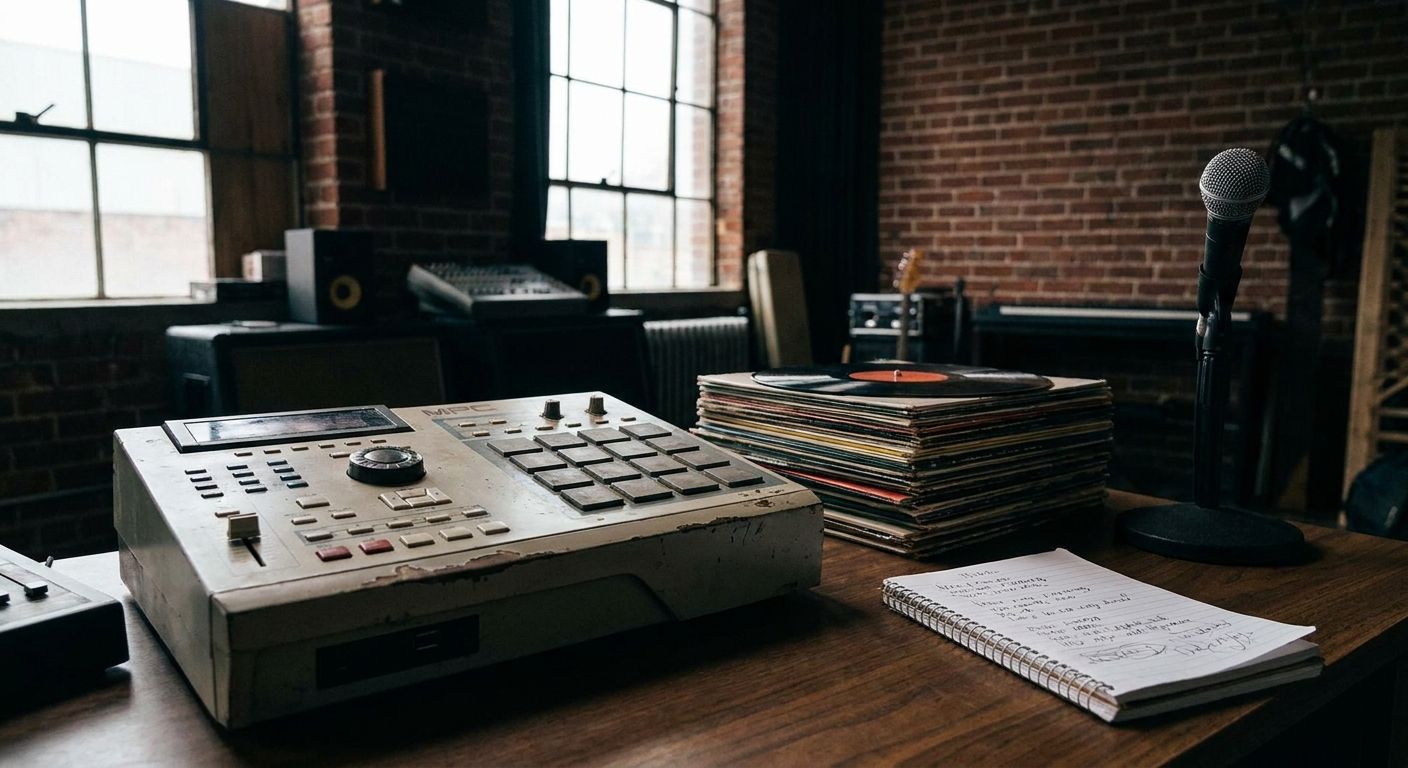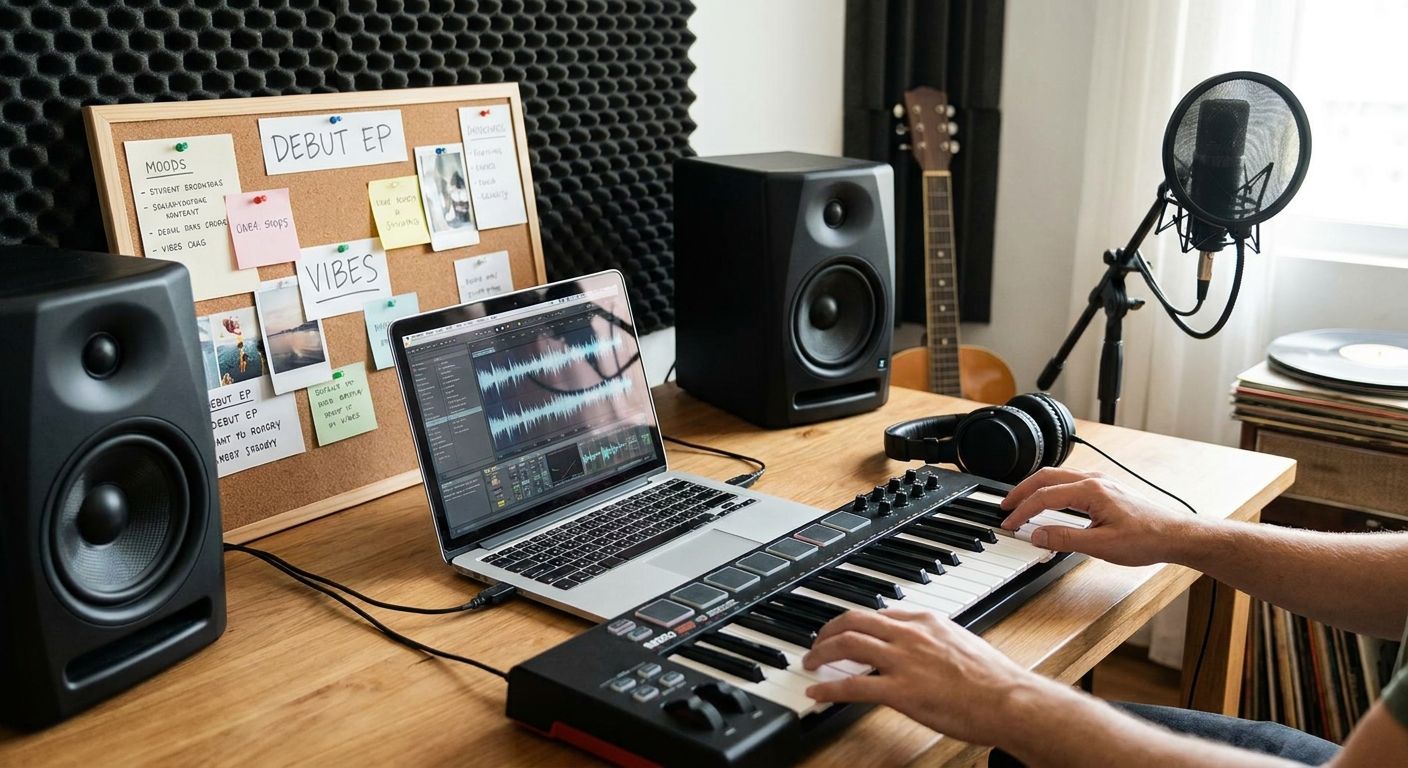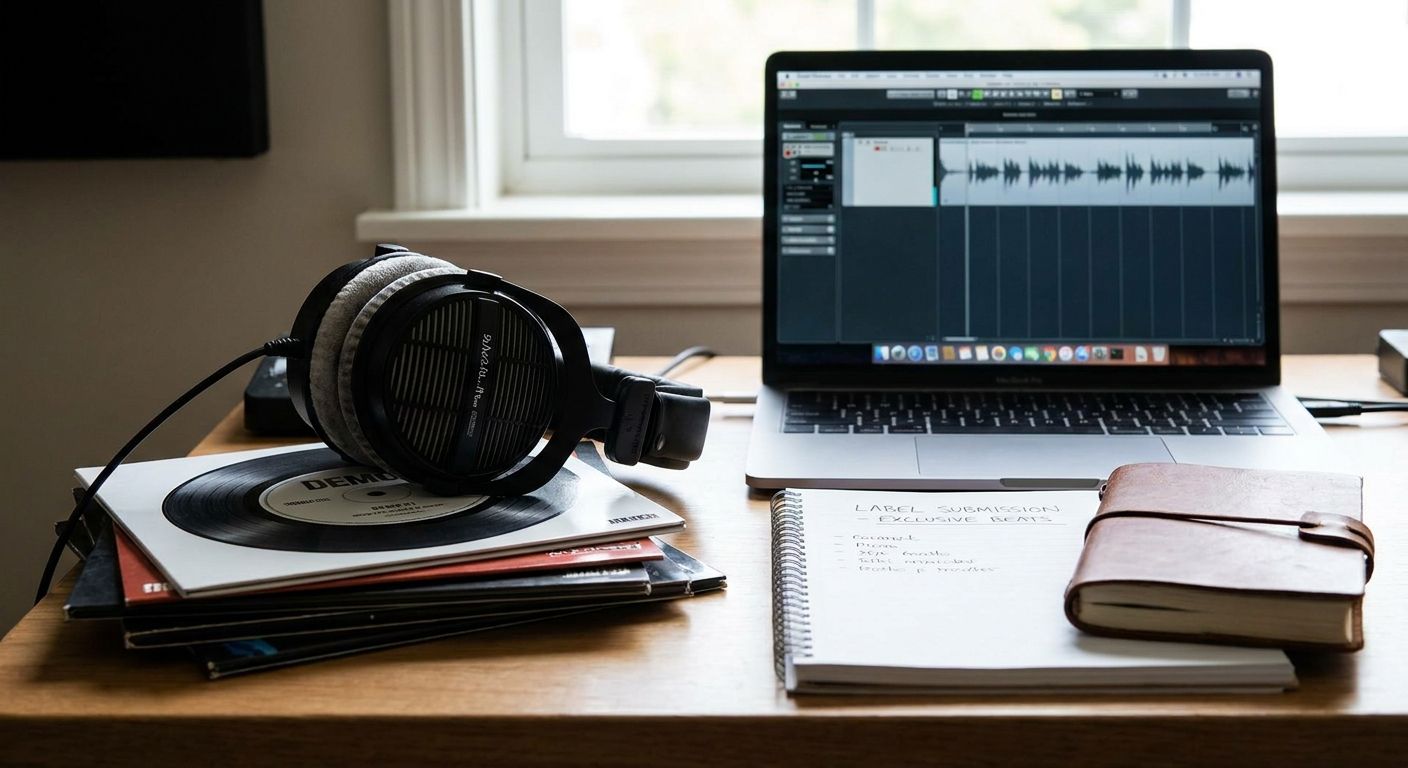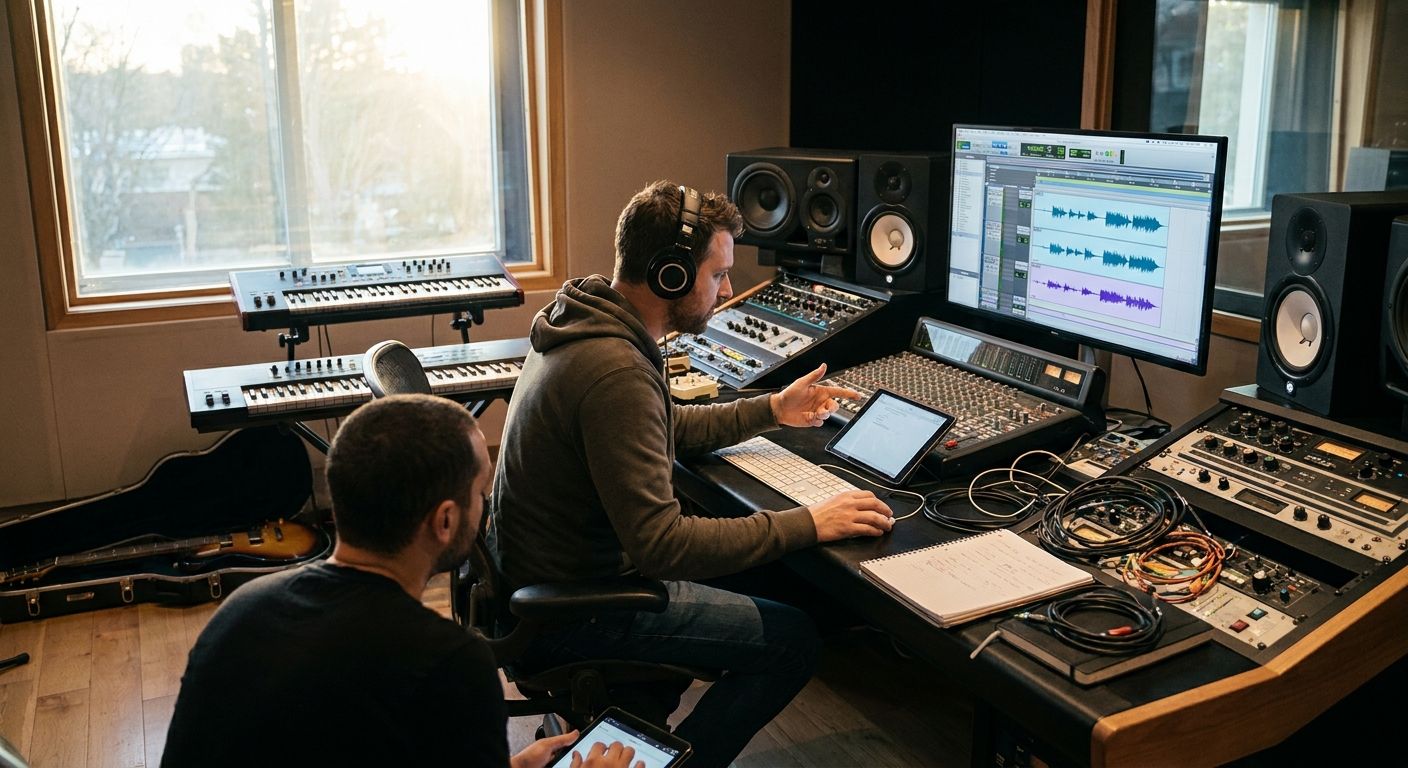
Independent rap artists building a full album need a beat package strategy, not a single instrumental — the gap between a cohesive 12-track project and a folder of beats that don't sit together in the same key, tempo, or mood.
- Beat packages for rap albums work best when you lock the track count and sound direction before you buy a single beat.
- Exclusive rights matter more for a full album than for a single — you're committing a whole body of work to one license.
- Budget for mixing and mastering as part of the package cost, not an afterthought once the beats are already picked.
- Louie The Producer's exclusive trap and hip-hop catalog covers full ownership transfers, which matters when you're releasing 12+ tracks under one project.
Why beat packages matter for independent album artists
A single beat purchase is low stakes — if it doesn't work, you drop it and move on. A full album is a different bet: you're committing weeks of writing, recording, and release planning to a set of instrumentals that has to hold together from track 1 to the outro.
Most independent rappers searching for beat packages for rap albums in 2026 are past the mixtape stage and trying to avoid the classic trap — buying beats one at a time from different producers, ending up with a project that sounds like six different EPs stitched into one. That's the problem a package solves: one sound, one licensing conversation, one delivery pipeline instead of ten.
Browsing exclusive trap beats built for independent rappers early in the process — before you've written a single verse — gives you a sound palette to write against instead of writing blind and hoping the beats catch up later.
Map your album's track count and sound direction before buying anything
Do this first, for free, with nothing but a notes app. Most full-length rap albums released independently in 2026 run 12 to 16 tracks, with 2-3 of those slots going to skits, interludes, or a bonus cut — know your number before you shop.
- Write down the album's core mood in three words (dark, aggressive, melodic — whatever fits)
- Decide how many uptempo vs. slow-burn tracks you actually need
- List 2-3 reference tracks (yours or others) that match the tempo and key range you're going for
- Set a hard track count so you're not buying beats indefinitely
- Flag which slots need a hook-driven beat vs. a straight rap beat
Decide exclusive vs. lease licensing for the whole project
A lease works fine for a loosie or a single. For a full album you're releasing under your name and monetizing across streaming platforms, a non-exclusive lease is a liability — someone else can buy that same beat and drop their own song on it while your album is still charting.
- Confirm whether each beat license transfers full ownership or just usage rights
- Check if the license caps streams, sales, or video plays — album releases blow past lease caps fast
- Ask if the producer keeps publishing rights or transfers them in full
- Get the license terms in writing before you record a single verse over the beat
- Match license type to release plan: exclusive for album cuts, lease is fine for freestyles or loosies
If you don't own the masters, you don't own the album — that's the line to remember before you sign anything.
“If you don't own the masters, you don't own the album.”
Build your beat package budget before you fall in love with a sound
Budget the whole production chain, not just the beats. Mixing and mastering, artwork, and distribution fees all eat into the same pool, and artists who blow their whole budget on beats end up mixing their own album in a bedroom with no treatment.
- Split your budget into three buckets: beats, mixing/mastering, and release/marketing
- Price out a full package (10-14 exclusive beats) against buying beats one-off over months
- Budget separately for at least one custom beat if the album needs a signature intro or title track
- Leave room for a re-mix pass — first mixes rarely nail it on take one
- Don't spend your entire budget before you've recorded a single track
Vet producers for a consistent sound across the whole project
A producer who nails trap 808s might not touch boom bap right, and a full album usually needs some range without losing a consistent identity. Pull up a producer's catalog and listen for range within a lane, not range across ten unrelated genres.
- Listen to at least 5 tracks from the same producer back to back for tonal consistency
- Check if the catalog spans the moods your album needs (aggressive, melodic, dark)
- Ask what file formats come with the license — stems matter if you're mixing separately
- Confirm turnaround expectations in writing before committing to a full package
- Look for a catalog built specifically for independent rappers, not generic stock beats
The hip-hop beats built for mixtape and album projects catalog is organized this way — a producer's full range under one roof instead of five different sellers with five different licenses.
Lock ownership and contract terms across the entire package
Do this before you record vocals over a single beat, not after the album's mixed and ready to release. A full copyright transfer or work-for-hire agreement on every track in the package protects you from a producer pulling the beat later or someone else licensing the same instrumental.
- Get a single agreement covering the whole package, not 12 separate email threads
- Confirm the agreement specifies full copyright transfer, not just a usage license
- Check that publishing splits (if any) are spelled out per track, not assumed
- Keep signed copies of every beat license tied to the album, filed by track
- Clarify sync and sample-clearance responsibility before release
Browse exclusive beats for your album
Full ownership terms on every exclusive beat, built for independent rappers.
Book mixing and mastering as part of the same production plan
A beat package that sounds inconsistent after mixing defeats the point of buying a cohesive set in the first place. Plan mixing and mastering at the same time you're locking beats, not three months later when you're already burned out on the project.
- Get mix reference tracks lined up before the first session, not during it
- Ask whether the same engineer handles the whole album for tonal consistency
- Budget for at least one revision round per track
- Check that mixing and mastering built for home-studio rappers fits your recording setup before booking
- Master the album as a sequenced whole, not track-by-track in isolation
Sequence and stage the album delivery
Free, and the step most artists skip. A track order that opens strong, breathes in the middle, and closes with intent turns a pile of good songs into an album people actually finish listening to.
- Draft 2-3 possible sequences before locking the final order
- Place your strongest hook-driven track in the first 3 slots, not buried at track 9
- Space out tempo so three slow tracks don't land back to back
- Test the sequence as a single playlist before mastering finalizes it
Beat package options for full album production
| Option | Best for | Key limitation |
|---|---|---|
| Single beat leases, one at a time | Loosies, freestyles, testing a sound before committing | Inconsistent sound across an album, license caps hit fast |
| Exclusive beat package from one producer | Full albums needing a consistent sound and clean ownership | Requires locking a sound direction upfront |
| Custom production package | Albums needing a signature or title track no stock catalog covers | Longer turnaround than picking from an existing catalog |
| Mixed sourcing across multiple producers | Artists chasing a specific guest-producer sound per track | Hardest to keep tonally consistent, most contracts to track |
Verdict: an exclusive beat package from one catalog is the strongest default for a full album in 2026 — it keeps the sound consistent and the paperwork to one agreement instead of a dozen.
Common mistakes independent artists make with album beat packages
- Buying beats before mapping the album — leads to a folder of beats that don't share a key, tempo, or mood
- Leasing beats for what should be exclusive tracks — risks another artist releasing over the same instrumental mid-campaign
- Skipping the mixing/mastering budget until after beats are bought — leaves nothing for the step that actually makes the album sound finished
- Sourcing every beat from a different producer — makes tonal consistency close to impossible across a full project
- Not sequencing the album until after mastering — locks in an order that doesn't serve the listening experience
FAQ
What's the best way to buy beat packages for a full rap album?
Lock your track count and sound direction first, then buy exclusive beats from one producer's catalog so the whole album stays tonally consistent. Buying one-off from multiple sellers is the fastest way to end up with a project that doesn't hold together.
Is an exclusive beat license better than a lease for an album?
Yes, for album cuts you're releasing and monetizing, exclusive licensing is safer because leases cap streams and sales and don't stop the same beat from being sold to someone else. Leases still make sense for freestyles or loosies you're not building a release campaign around.
How many beats do I need for a full rap album in 2026?
Most independent rap albums released in 2026 run 12 to 16 tracks, with a couple of those slots typically going to skits or interludes. Budget for that full count upfront instead of buying beats indefinitely as you write.
Should I mix and master a full album myself or hire it out?
If you're working from a home studio without treatment or a trained ear for tonal balance, hiring mixing and mastering keeps the album consistent from track to track. Budget it alongside the beats, not as an afterthought once the album is already recorded.
Can I use the same beat package for a mixtape and a full album?
The licensing terms matter more than the label you put on the project — a mixtape released for free under a lease is lower risk than a monetized album under the same lease. Match the license type to how you're actually releasing the project.
What's the difference between a beat package and custom production?
A beat package is a set of existing beats from a producer's catalog, while custom production is built specifically for your album, usually for a signature or title track. Most album projects mix both: a package for the bulk of the tracklist, custom work for the standout moment.
Do I need a written contract for every beat in a package?
Yes, get the ownership terms in writing for every track before you record vocals, ideally under one agreement covering the whole package. A verbal understanding or a single email doesn't protect you if a dispute comes up after release.
One last thing
The artists who finish albums instead of abandoning them at track 6 are the ones who lock the beat package and the mixing budget in the same conversation — not two separate decisions made months apart. Sound consistency across a project comes from constraint, not from having access to every beat catalog on the internet.