
Making a living from rap without a label in 2026 is more possible than ever, but it is also more confusing. Dozens of platforms, tools, and revenue streams compete for your attention, and picking the wrong ones wastes time and money. The artists who are actually winning right now are not chasing every trend. They are building smart, diversified income systems rooted in ownership and direct fan connection. This article breaks down nine proven and innovative ways to monetize your music, compares their real earning potential, and helps you build a personalized plan that fits where you are right now.
Table of Contents
- Key criteria for choosing monetization strategies
- 9 ways to monetize your music in 2026
- Comparison: Which monetization methods pay off fastest?
- Situational: Crafting your personalized monetization mix
- Why ownership and adaptability will define success in 2026
- Want to level up your music income in 2026?
- Frequently asked questions
Key Takeaways
| Point | Details |
|---|---|
| Diversification wins | Mixing several monetization avenues creates the steadiest income for independent artists. |
| Merch and live outperform streaming | For most rappers, merch and performances are higher-earning than streaming royalties alone. |
| Own your masters | Owning your music and data keeps profit and opportunities in your hands, not a label’s. |
| Fan engagement is key | Direct-to-fan sales, memberships, and social media unlock recurrent and exclusive income. |
| Adapt for the long game | Success comes from evolving with the industry while keeping creative and financial control. |
Key criteria for choosing monetization strategies
Before you start stacking income streams, you need a clear framework for evaluating which ones are actually worth your time. Not every method fits every artist. The right choice depends on your audience size, your skill set, your catalog depth, and how much control you want to keep over your work.
Here are the core factors to weigh when choosing any monetization method:
- Revenue diversification. Relying on one platform or one income type is a risk. Algorithms change, platforms go under, and trends shift. Spreading income across multiple streams protects you when one dips.
- Ownership and control. The more rights you hold, the more money you keep. Own your masters, publishing, and data to maximize control and upside. Register with a PRO early and clear samples before pitching for sync deals.
- Fan engagement and data access. Platforms that give you your fans' email addresses and buying behavior are worth more than platforms that hide that data. Owning your audience means you can reach them directly, without paying for ads or begging an algorithm.
- Scalability. Some methods pay well once but do not scale. Others build passive income over time. Aim for a mix of both.
- Barrier to entry. Some streams require upfront investment or existing audiences. Know where you stand before committing resources.
Pro Tip: Always register as both the songwriter and the self-publisher with a PRO like ASCAP, BMI, or SESAC. This lets you collect 100% of performance royalties instead of splitting the publishing share with someone else.
9 ways to monetize your music in 2026
With the main evaluation criteria clear, here are the specific ways you can actually monetize your music as an independent in 2026.
-
Streaming royalties. Streaming is still the foundation of modern music distribution. Getting your music on Spotify, Apple Music, Tidal, and Amazon Music through distributors like DistroKid, TuneCore, or UnitedMasters is a non-negotiable first step. The catch is that Spotify pays $0.003 to $0.005 per stream, which means you need massive volume to earn serious cash. The upside for independents is that you keep a significantly higher percentage of royalties when you own your masters. Streaming alone will not pay your bills early on, but it builds catalog value and discoverability over time.
-
Live performances. Playing shows is one of the fastest ways to generate real income. Club shows, local festivals, regional tours, and opening slots for bigger acts all add up. Live performance accounts for about 40% of annual income for the average independent artist. The margins are high because you control ticket pricing, merch sales at the door, and your performance fee. Even small local shows build your reputation and grow your fanbase faster than most digital strategies.
-
Merchandise. Merch is where a lot of independent artists quietly make serious money. Limited edition drops tied to new releases like hoodies, hats, and branded items often outperform streaming revenue. The key is creating urgency. Drop a limited run with your album or single, give fans a reason to buy now, and price your items to reflect the exclusivity. Bundling a merch item with a digital download or a show ticket is a proven tactic that boosts both perceived value and total sale size.
-
Direct-to-fan sales. Platforms like Bandcamp, Shopify, and your own artist website let you sell music, bundles, and exclusives directly to fans. Direct-to-fan platforms offer higher margins and data ownership compared to streaming. You keep more money per sale and, more importantly, you collect email addresses and purchase data. That data is an asset you can use for every future release, tour announcement, or product launch.
-
Publishing royalties. This is one of the most overlooked income streams for independent rappers. Every time your song plays on radio, in a bar, at a sporting event, or gets streamed digitally, royalties are generated. Registering as writer and self-publisher with ASCAP, BMI, or SESAC lets you collect 100% of performance royalties. Mechanical royalties from digital streams are collected through the MLC, and digital performance royalties for non-interactive streams go through SoundExchange. Set all of these up before you release anything.
-
YouTube and video content. YouTube remains one of the best platforms for rap artists to build income and audience simultaneously. Ad revenue from YouTube monetization, channel memberships, and Content ID claims on your music all add up. Beyond that, rap vlogs, studio sessions, and behind-the-scenes content drive subscriber growth and brand deals. Artists who treat YouTube like a TV channel, posting consistently and building a personality around their music, tend to grow faster and earn more than those who just upload music videos and disappear.
-
Brand partnerships and sponsorships. Brands want to reach young, engaged audiences. If you have a loyal following on Instagram, TikTok, or YouTube, companies will pay for access to that audience. Sponsored posts and endorsements are realistic for artists with even modest but highly engaged followings. The key metric brands look at is engagement rate, not just follower count. A rapper with 10,000 deeply engaged fans can land deals that artists with 100,000 passive followers cannot.
-
Fan subscriptions and NFTs. Recurring income from fan subscriptions is one of the most stable revenue streams available. Patreon-style platforms let your most loyal fans pay monthly for exclusive content, early access, and behind-the-scenes material. NFT drops remain niche but can generate $500 to $50,000 per release for artists with passionate communities. NFTs tied to royalty shares or exclusive experiences add real value and create a new class of superfan investor. This stream rewards artists who have already built trust and loyalty.
-
Sync licensing. Getting your music placed in TV shows, films, commercials, and video games is a serious income source. Rap and hip-hop are highly versatile for sync because the genre covers a wide range of moods and energy levels. Producers can also sell beats through an exclusive beats marketplace while artists pitch their tracks to music supervisors. The key requirement is clean samples. If your track uses an uncleared sample, it cannot be licensed. Build a catalog of original or cleared music specifically for sync opportunities.
"The artists making real money in 2026 are not waiting for a label to open doors. They are building catalogs, owning their masters, and stacking multiple income streams that compound over time."
Pro Tip: When pitching for sync deals, create a separate catalog of instrumentals and vocal tracks with no uncleared samples. Music supervisors need to move fast, and a clean, ready-to-license catalog gives you a serious competitive edge.
Comparison: Which monetization methods pay off fastest?
After exploring each strategy, here is a direct comparison of their strengths and payoff timelines.
| Method | Payout speed | Earning potential | Ownership/control | Income type |
|---|---|---|---|---|
| Streaming | Delayed (months) | Low to medium | High (own masters) | Ongoing passive |
| Live performances | Immediate | High | Full | One-time per event |
| Merchandise | Fast (days to weeks) | High | Full | One-time per drop |
| Direct-to-fan sales | Fast (days) | Medium to high | Full + data | Ongoing |
| Publishing royalties | Delayed (quarters) | Medium | High | Ongoing passive |
| YouTube/video | Delayed (months) | Medium | Partial | Ongoing |
| Brand partnerships | Medium (weeks) | High per deal | Full | One-time or recurring |
| Fan subscriptions/NFTs | Medium to fast | Medium to very high | Full | Recurring or one-time |
| Sync licensing | Medium (weeks to months) | High per placement | High | One-time + backend |
Spotify data shows that only 13,800 artists crossed $100,000 in streaming income in 2025, and 1 million streams generates roughly $4,000. For most independents, live shows and merch outperform streaming significantly. Indies now hold about 40% of total market share, which means the playing field is shifting in your favor, but you have to be strategic about where you focus your energy.
Key takeaways from the comparison:
- Newcomers should prioritize live shows, direct-to-fan sales, and merch because these pay fast and build real audience relationships without requiring a large existing fanbase.
- Experienced artists with catalogs should focus on sync licensing, publishing royalties, and fan subscriptions because these reward depth and loyalty.
- Producers can stack income from beat sales, sync placements, and royalties simultaneously, making the production lane one of the most scalable in the independent music business.
Situational: Crafting your personalized monetization mix
Now that you know which methods shine under different circumstances, here is how to design your own game plan based on your artist type.
The Touring MC. If you love performing and have a regional fanbase, your primary income should come from live shows and merch. Stack your calendar with gigs, sell limited merch at every show, and use streaming as a discovery tool rather than an income source. Independents who own their masters keep a far higher share of every dollar generated, so make sure your distribution deal does not give away your catalog rights.
The Home Studio Producer. If you spend more time making beats than performing, your focus should be beat sales, sync licensing, publishing royalties, and YouTube content. Build a catalog of clean, licensable instrumentals. Sell beats through your own site and marketplaces. Register every track with a PRO and the MLC to capture mechanical royalties. YouTube tutorials and beat-making content can build an audience that buys directly from you.
The Social Media King. If you have built a following on TikTok, Instagram, or YouTube, brand partnerships and fan subscriptions are your fastest path to real income. Brands pay for engaged audiences, and your fans already trust you. Use that trust to launch a Patreon or membership community, and explore NFT drops if your community is particularly passionate. Do not neglect publishing royalties just because your income feels digital. Every stream, every sync, and every performance generates royalties you should be collecting.
Common pitfalls to avoid:
- Betting everything on one platform. Algorithms change overnight and platforms lose popularity fast.
- Ignoring publishing royalties because the setup feels complicated. This is money sitting on the table.
- Skipping direct-to-fan infrastructure. If you do not own your audience data, you do not own your business.
- Releasing music with uncleared samples and losing sync opportunities as a result.
Why ownership and adaptability will define success in 2026
Here is a hard-won truth that most articles skip over. The music business does not reward the most talented artist. It rewards the most prepared one. Ownership is not just about keeping more money today. It is about building leverage that compounds over years.
Artists who own their masters and publishing catalogs can license the same song dozens of times across different platforms, films, and campaigns. That one track you recorded two years ago can keep generating income in 2026, 2030, and beyond, but only if you own it. The moment you sign those rights away, you are working for someone else's asset.
Adaptability matters just as much. The methods that work best in 2026 will shift. New platforms will emerge. Fan behavior will change. The artists who thrive are the ones who stay close to their audience data, watch what is working, and pivot without losing momentum. Forming brand deals and sponsor relationships is one example of an income stream that barely existed for independent artists five years ago and is now a legitimate career pillar.
The biggest mistake artists make is chasing the method that worked for someone else instead of building the system that fits their own strengths and audience. Ownership gives you the flexibility to adapt. Data gives you the intelligence to make smart moves. And a diversified income stack gives you the stability to keep creating without financial panic driving your decisions.
Want to level up your music income in 2026?
Building a real music business takes more than good songs. It takes the right production, the right strategy, and the right partners who understand both the creative and business sides of the game.
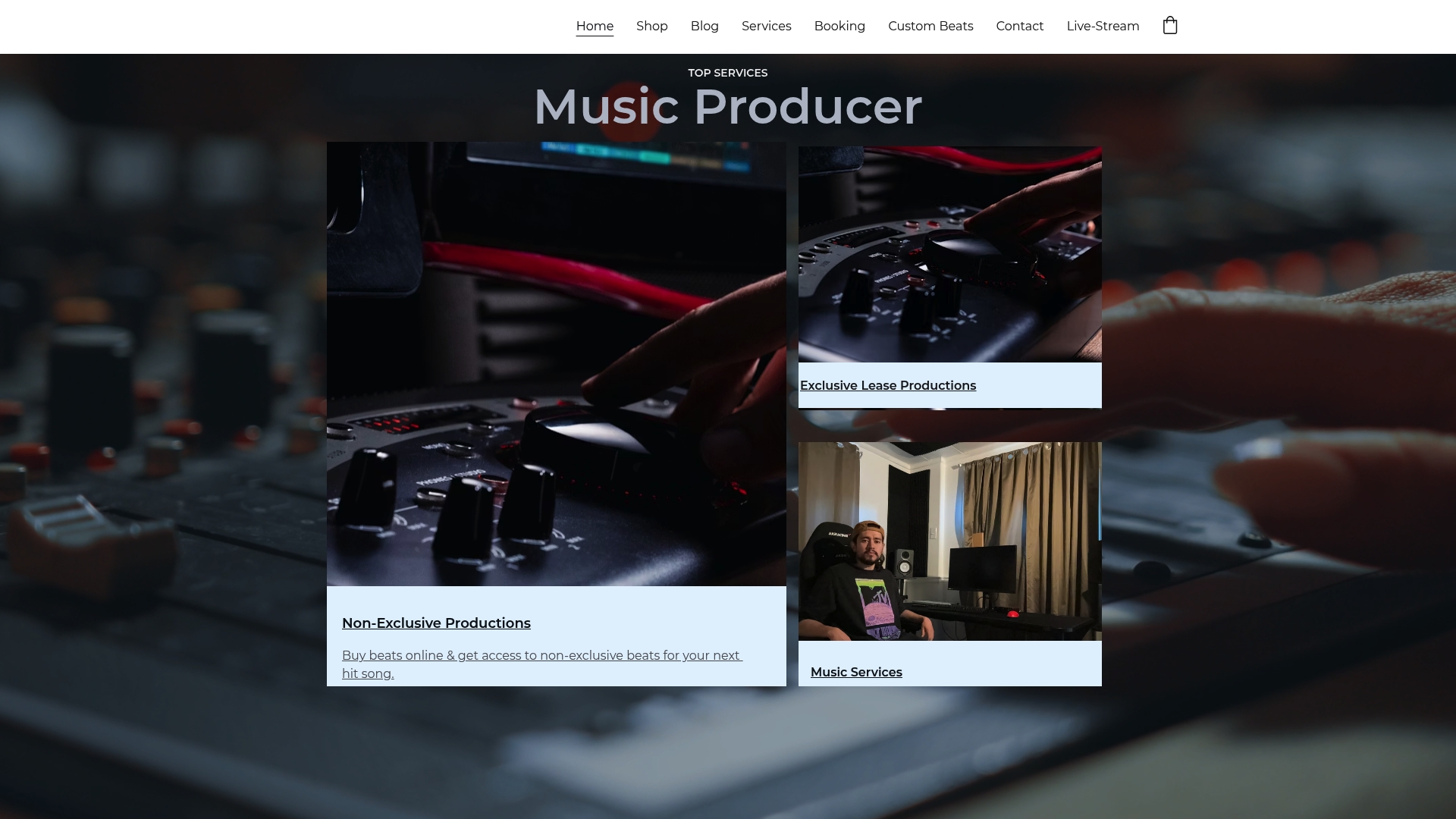
At Louie The Producer, we have spent over ten years helping independent rap artists build careers on their own terms. Whether you need quality instrumentals to build your catalog, mixing and mastering to make your tracks competitive, or consulting to sharpen your monetization strategy, we have the tools and experience to help. You can buy exclusive beats online and access a full range of production services built specifically for serious independent artists. Over 150 artists have already trusted us to deliver. Now it is your turn to build something real.
Frequently asked questions
How much can independent rap artists realistically earn from streaming in 2026?
On average, 1 million Spotify streams pays around $4,000, but most independent artists earn significantly more from merch and live shows than from streaming alone.
Are NFTs still a profitable revenue stream for indie artists?
NFT drops remain niche but can generate between $500 and $50,000 per release for artists with highly engaged fan communities.
What is the most profitable merch item for hip-hop artists?
Limited edition merchandise tied to new releases, like exclusive hoodies or branded drops, consistently brings the highest profit margins for independent artists.
How do artists collect all their royalties without a label?
Register as songwriter and self-publisher with a PRO like ASCAP or BMI, and sign up for digital collection services like SoundExchange and the MLC to capture every royalty stream available to you.